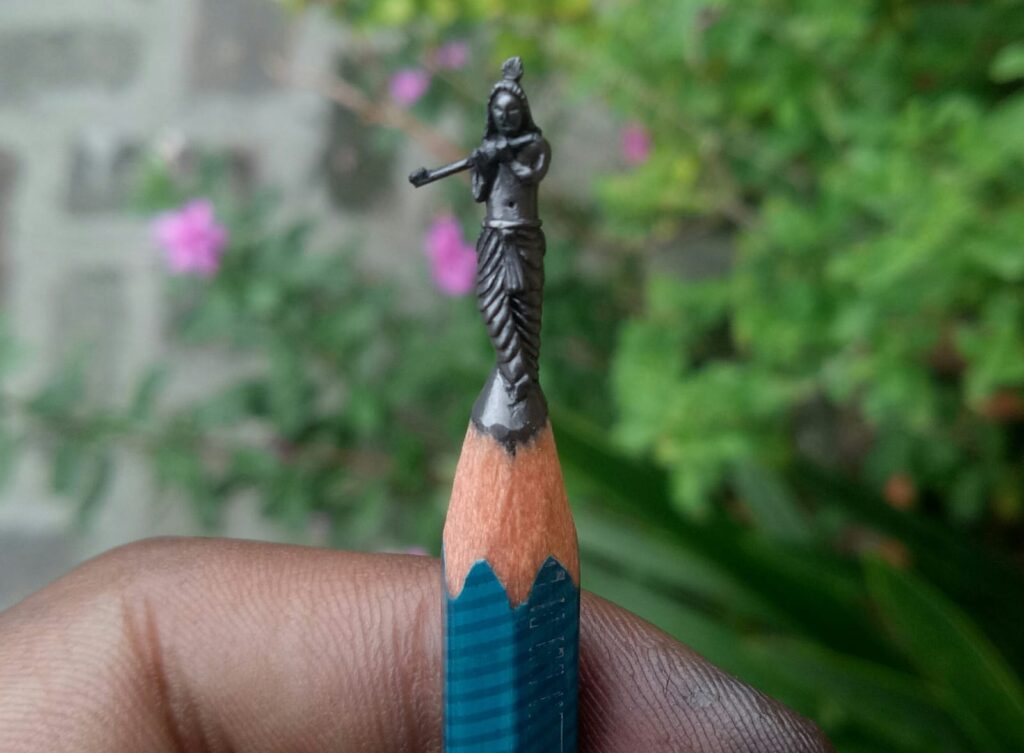
What is SCULPTURE ART
sculpture art is the practice of shaping three-dimensional forms to express ideas, emotions, narratives, and cultural values. Unlike painting, which unfolds on a flat surface, this art inhabits real space—you can walk around it, view it from multiple angles, and experience how light, shadow, and texture transform its presence. At its core, this art turns raw materials into meaningful forms that invite touch (where permitted), contemplation, and dialogue. (click here)
Table of Contents
ToggleExperiencing and Interpreting in sculpture art
- Move Around It: Sculpture art reveals changing profiles as you circle it; small shifts can alter perception.
- Look for Light and Shadow: Raking light can sharpen textures; diffuse light softens contours.
- Consider Context: Museum labels, artist statements, and site history enrich how this art communicates.
Famous Examples and Touchstones From the Venus de Milo to Rodin’s The Thinker, classical and modern icons demonstrate how this art can condense complex ideas into enduring forms. Contemporary practitioners—like Antony Gormley, Rachel Whiteread, or El Anatsui—continue pushing the boundaries of this art through body casts, negative space, and woven metal.
Techniques and Processes for sculpture art
- Carving (Subtractive): Removing material from stone or wood to reveal the form within. Carving demands foresight; in sculpture art, mistakes can’t be “added back.”
- Modeling (Additive): Building forms in clay or wax. This makes sculpture art highly flexible in early stages.
- Casting: Creating molds to reproduce or transform a model in bronze, resin, or other media—central to many public monuments in sculpture art.
- Construction and Assemblage: Joining materials via welding, bolting, or adhesives; a hallmark of modern and contemporary sculpture art.
- Installation: Designing spatial experiences that viewers enter or move through—expanding sculpture art into architecture and environment.
- (click here)
Getting Started as a Creator
- Begin with modeling clay to understand form and proportion; this makes learning this art approachable and forgiving.
- Study basic anatomy and gesture if you’re interested in figurative this art.
- Experiment with cardboard, wire, and found objects to prototype ideas before committing to costly materials.
- Practice safely: dust masks for stone, gloves and eye protection for metal and wood—safety is integral to sustainable this art.
Care, Conservation, and Longevity Proper maintenance preserves value and integrity. Outdoor this art often requires protective coatings, drainage design, and periodic cleaning. Indoors, stable humidity and careful handling prevent cracking, corrosion, or warping. Documentation—photos, condition reports, and material data—helps institutions and collectors steward this art across generations.
Styles and Aesthetics
- Figurative: Focused on the human body or recognizable subjects; this strand of sculpture art often explores identity, movement, and emotion.
- Abstract: Emphasizes form, rhythm, and space over depiction; abstract this art invites viewers to interpret meaning through shape and balance.
- Minimalist: Clean lines, industrial materials, and pared-down forms; minimalist this art highlights the relationship between object, viewer, and site.
- Conceptual: Prioritizes ideas over craftsmanship; in conceptual art, the “what” and “why” can matter more than traditional technique.